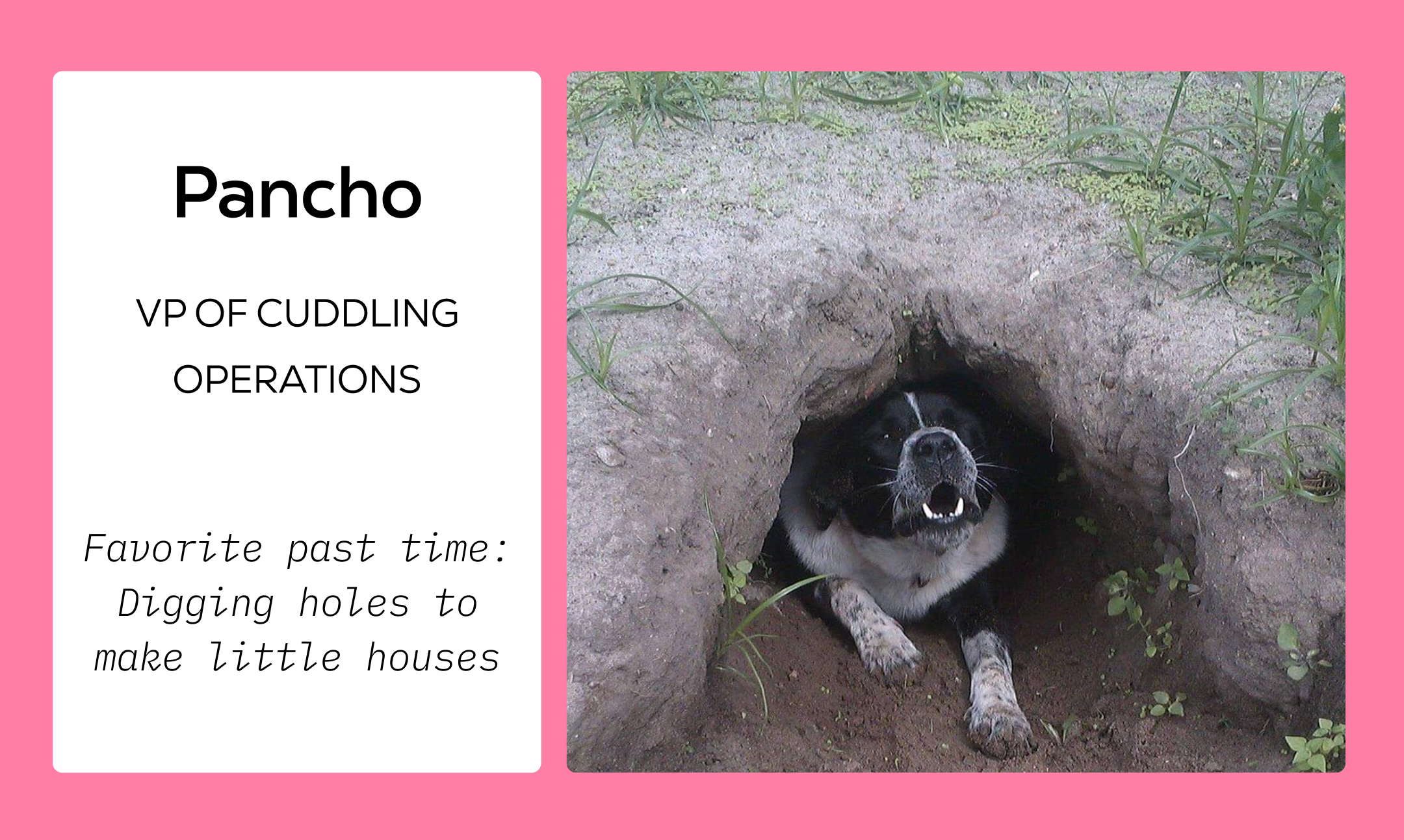
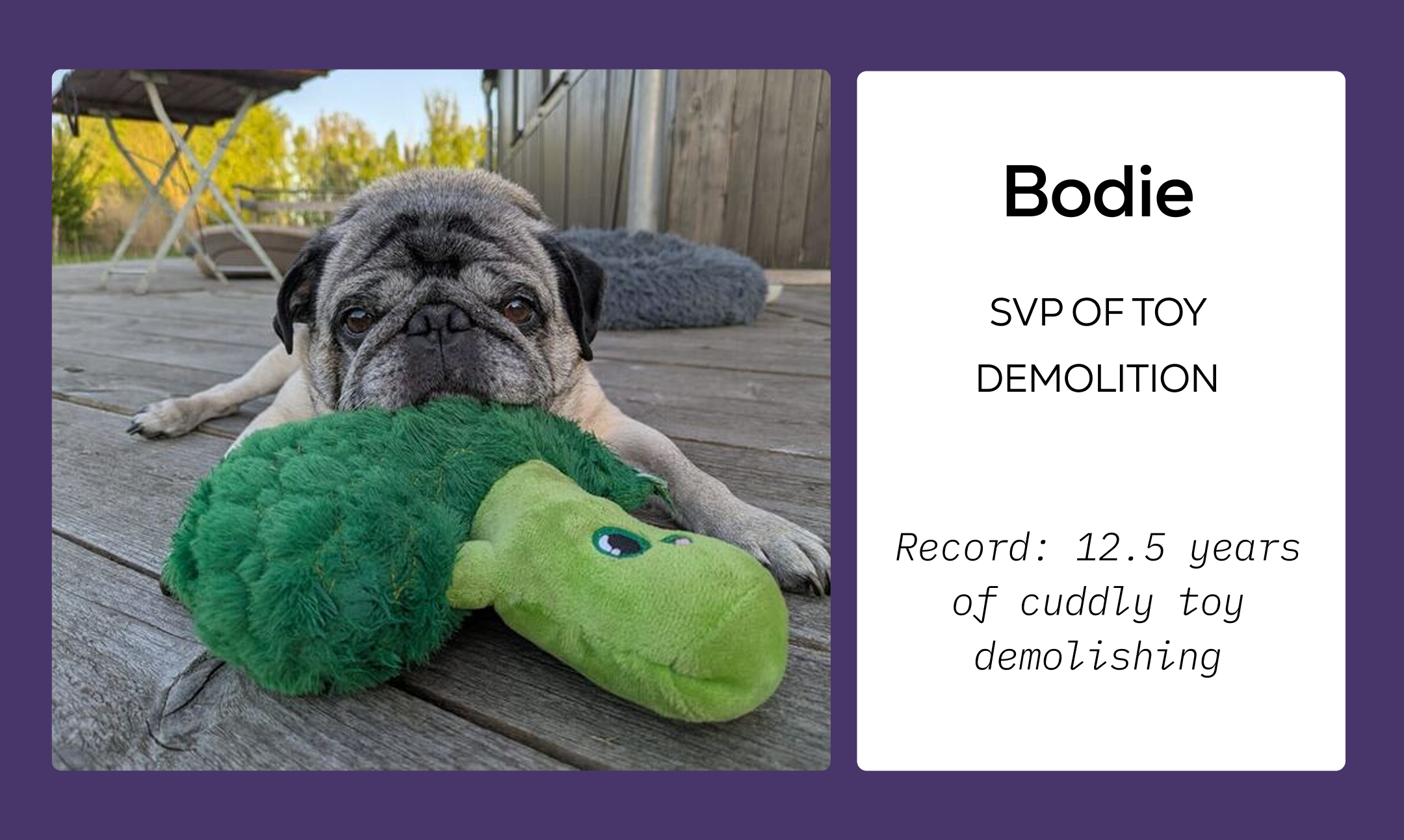
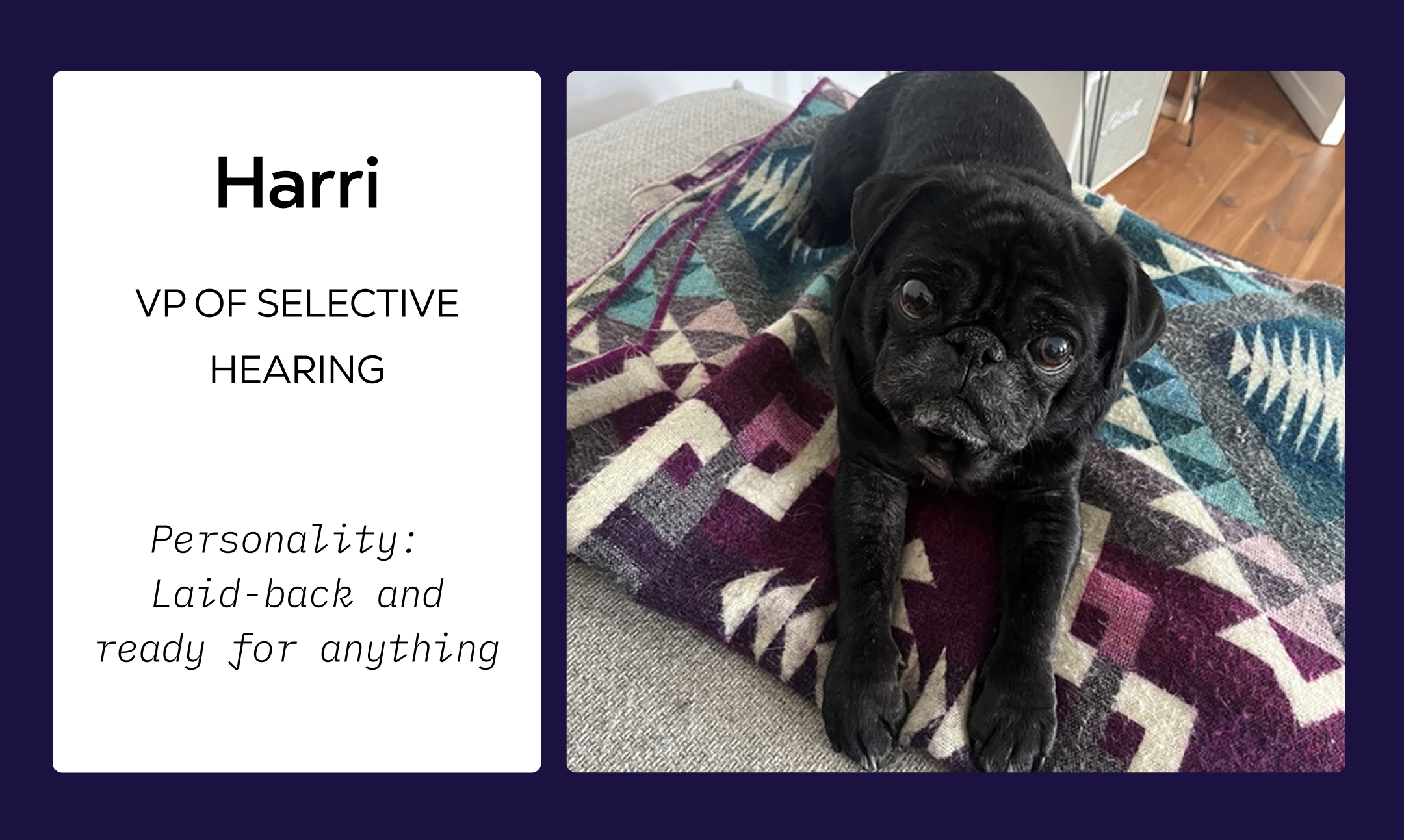
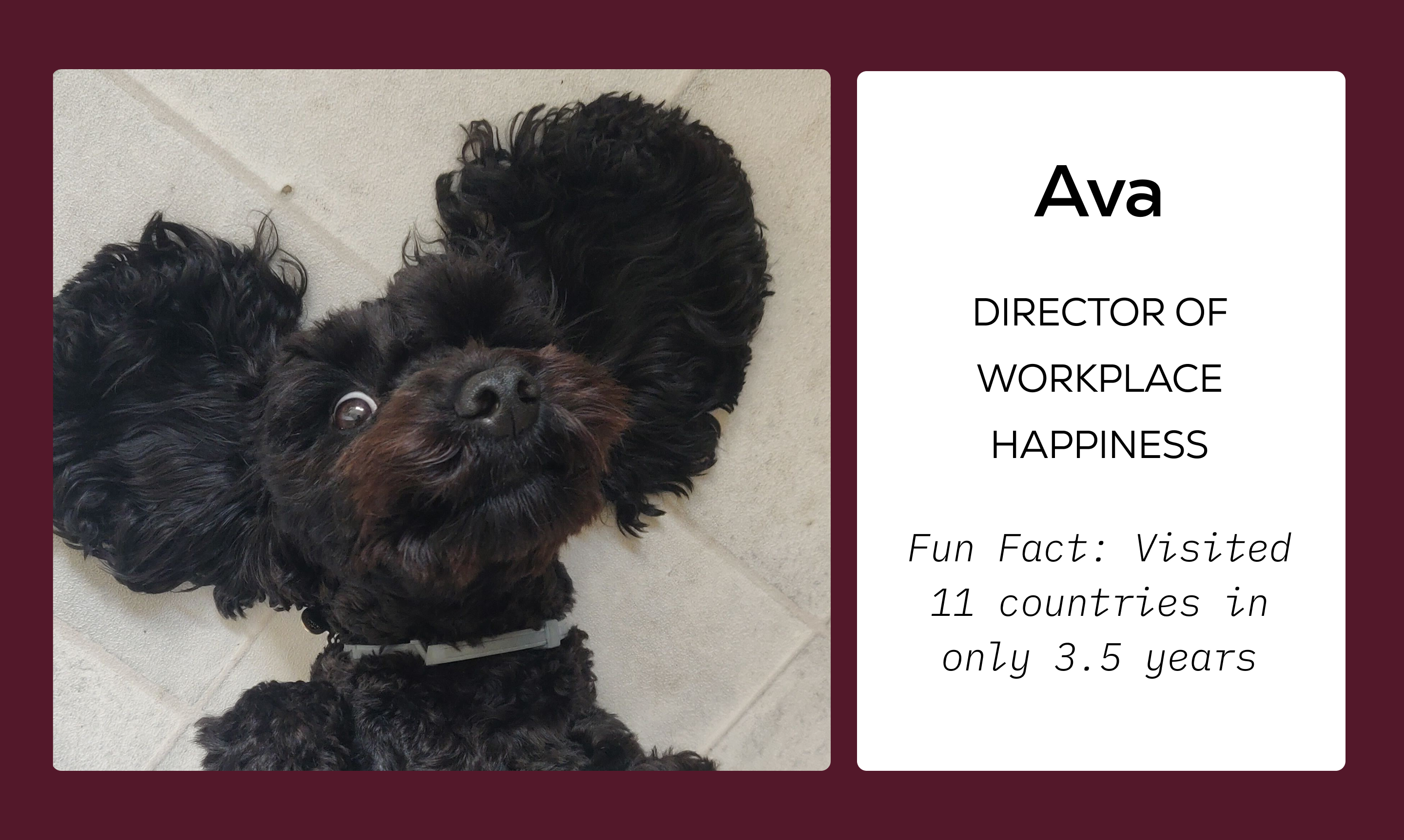
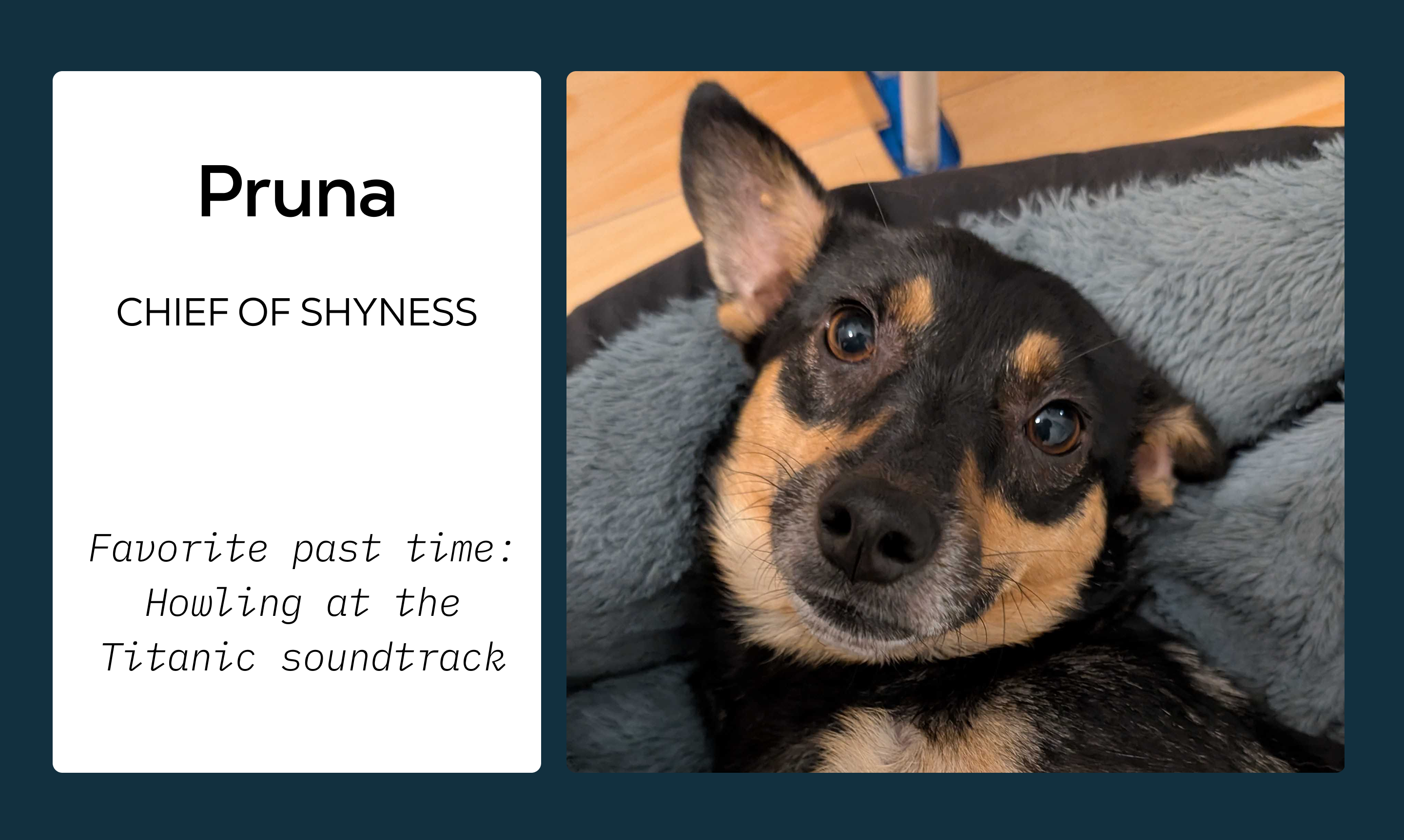
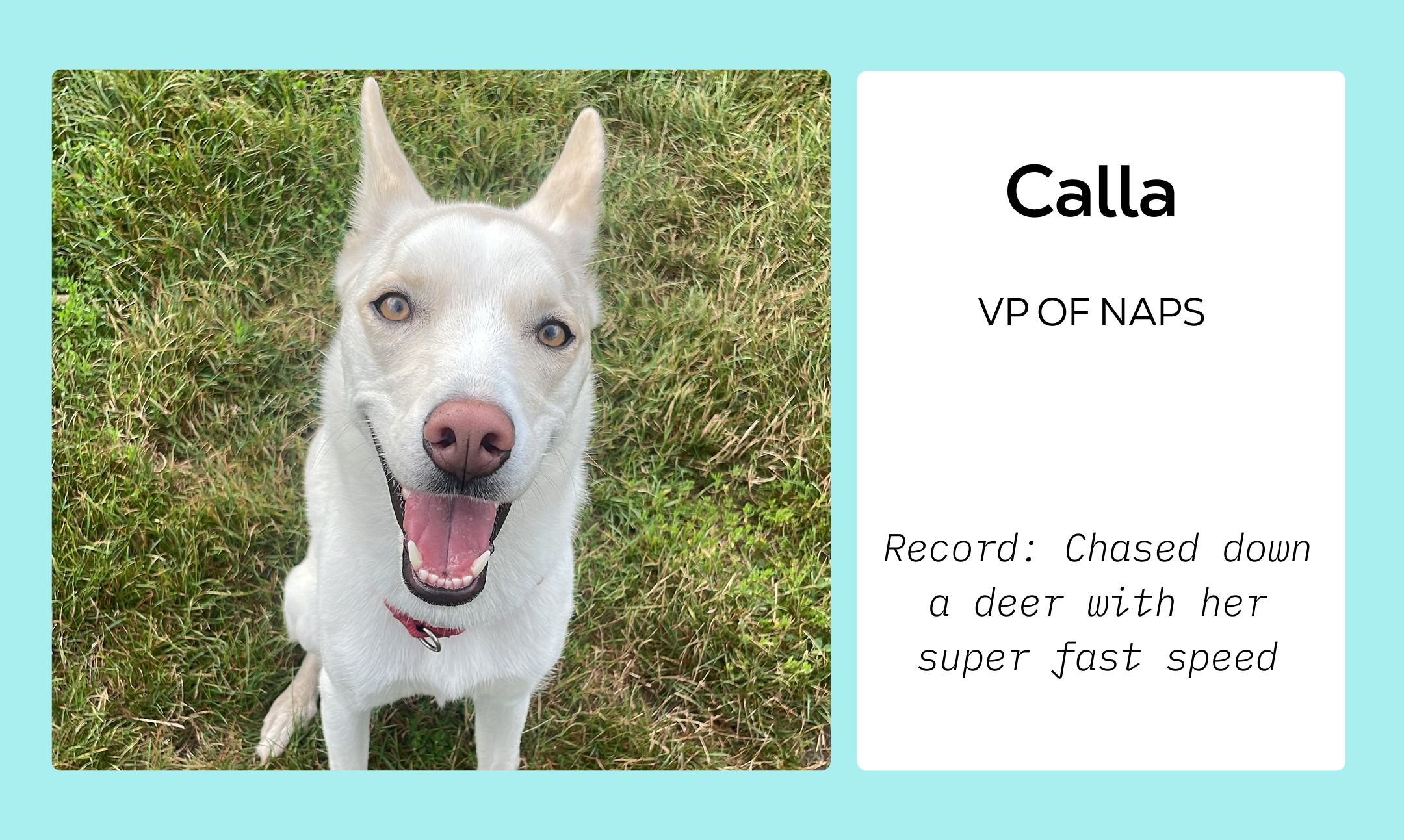
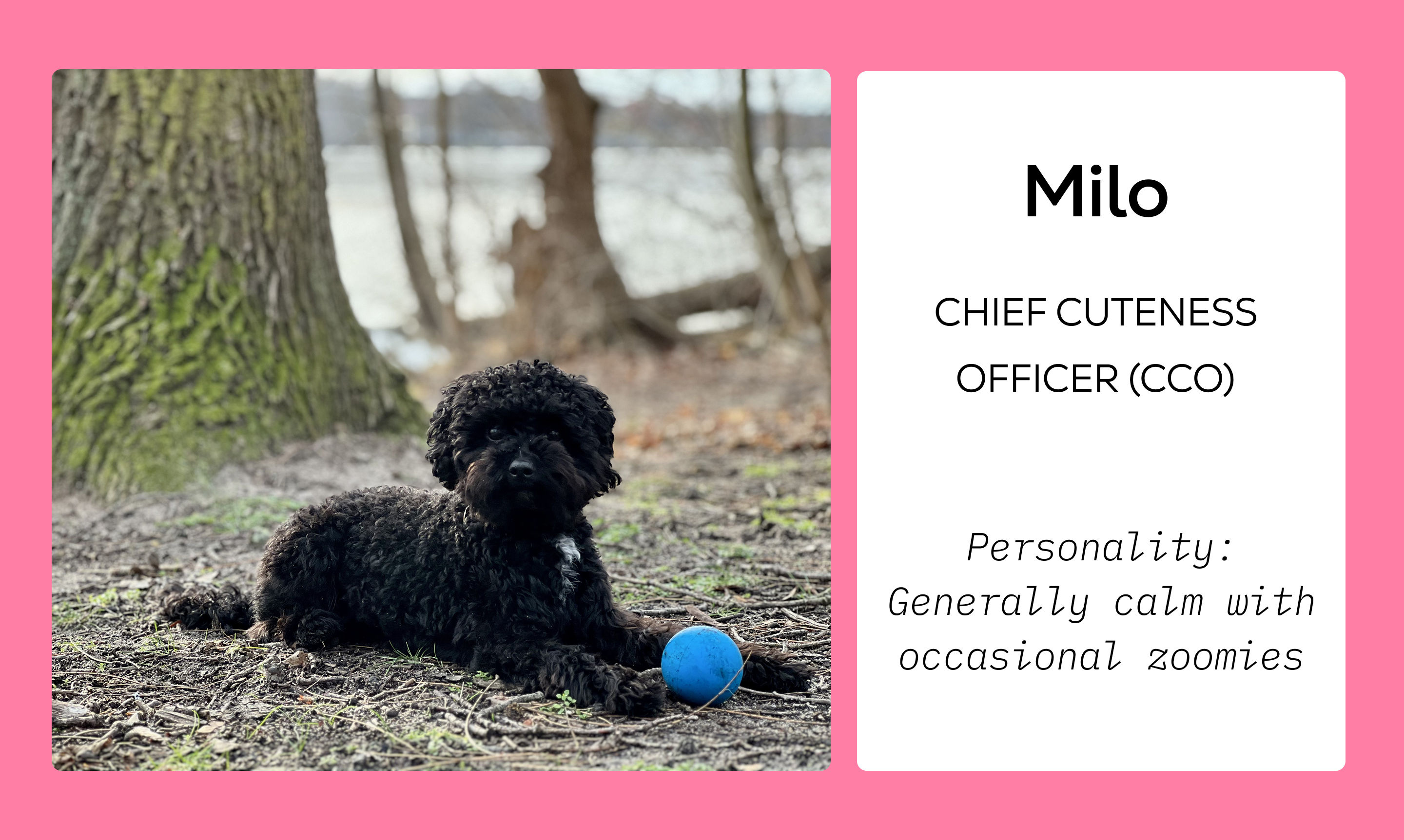
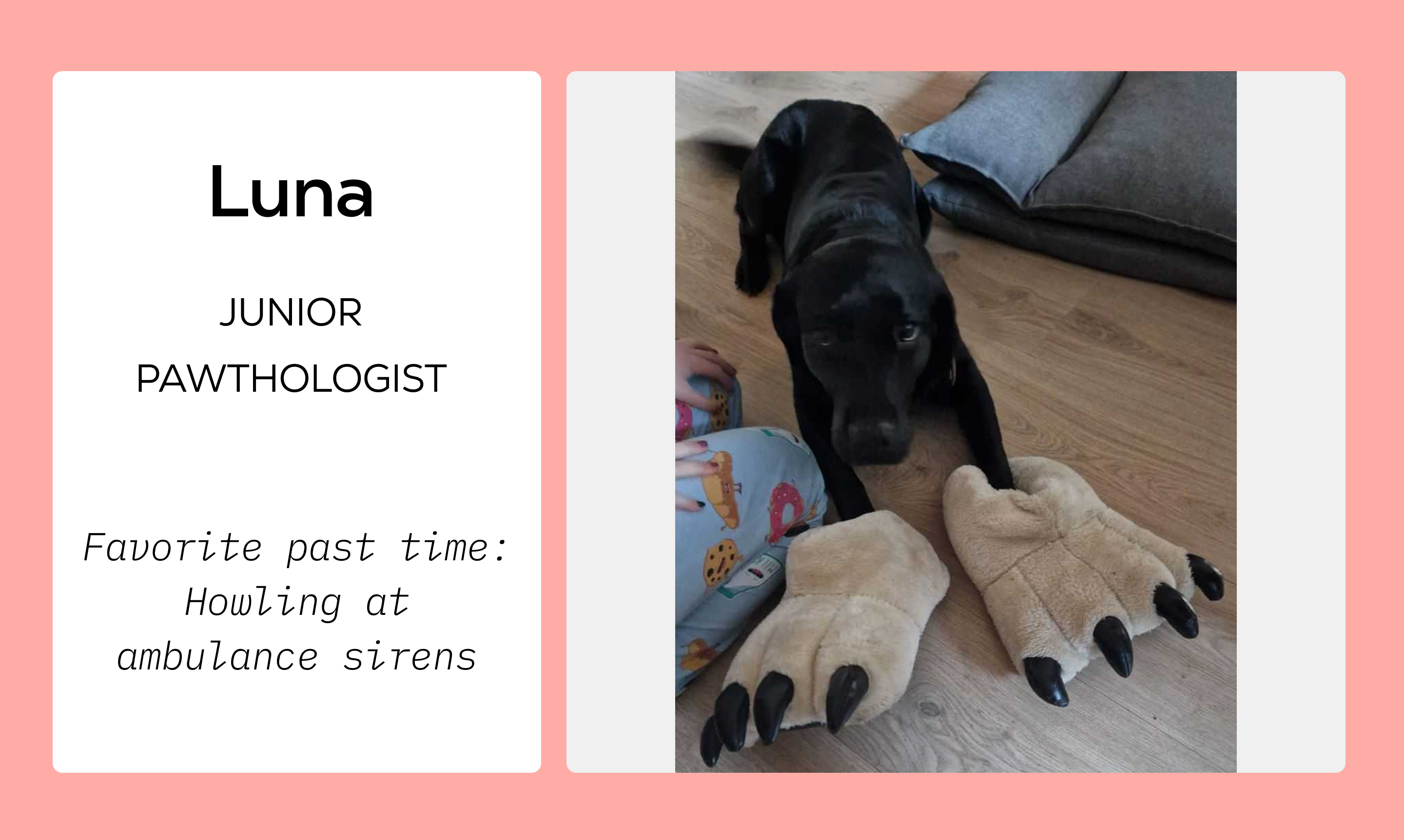
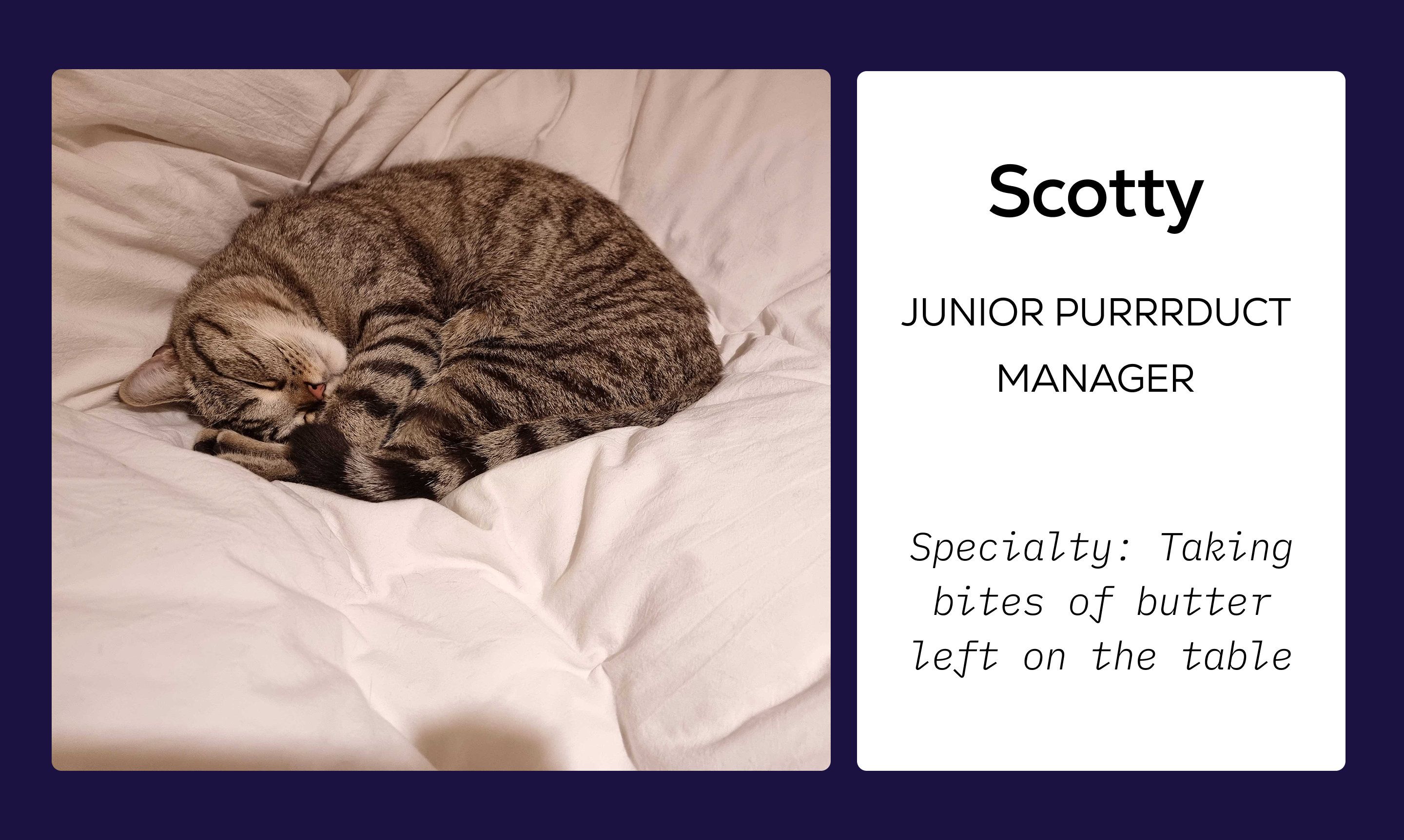
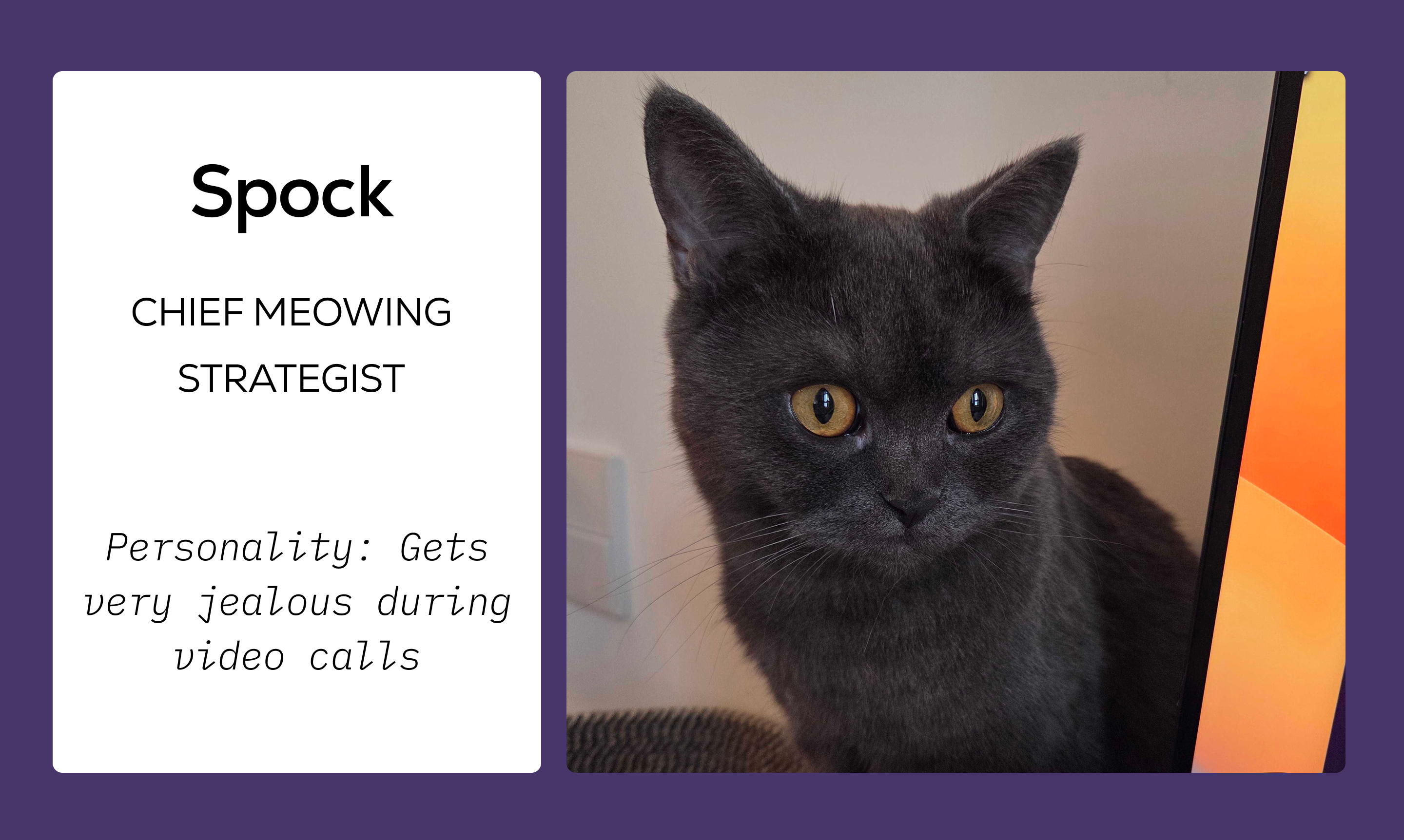
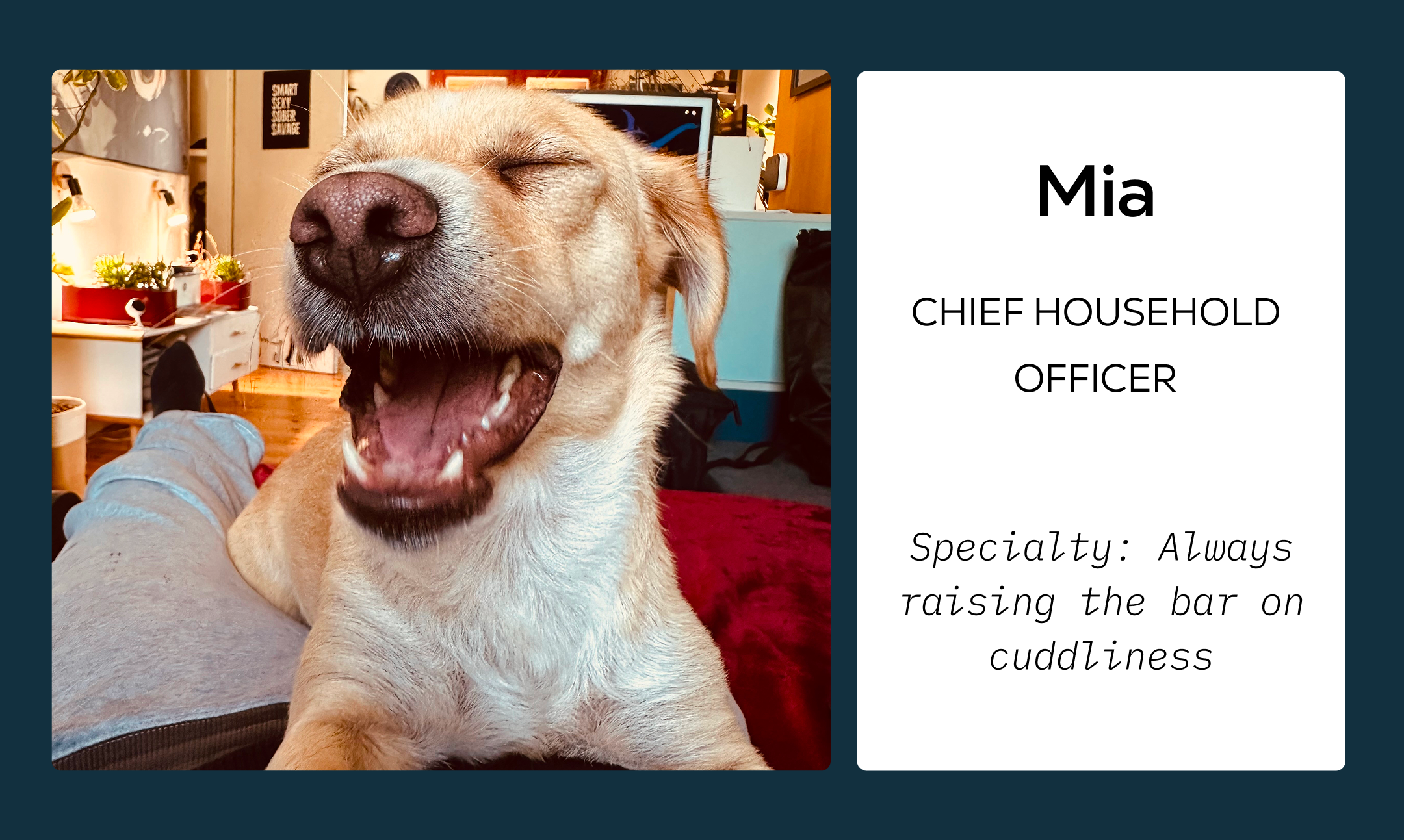
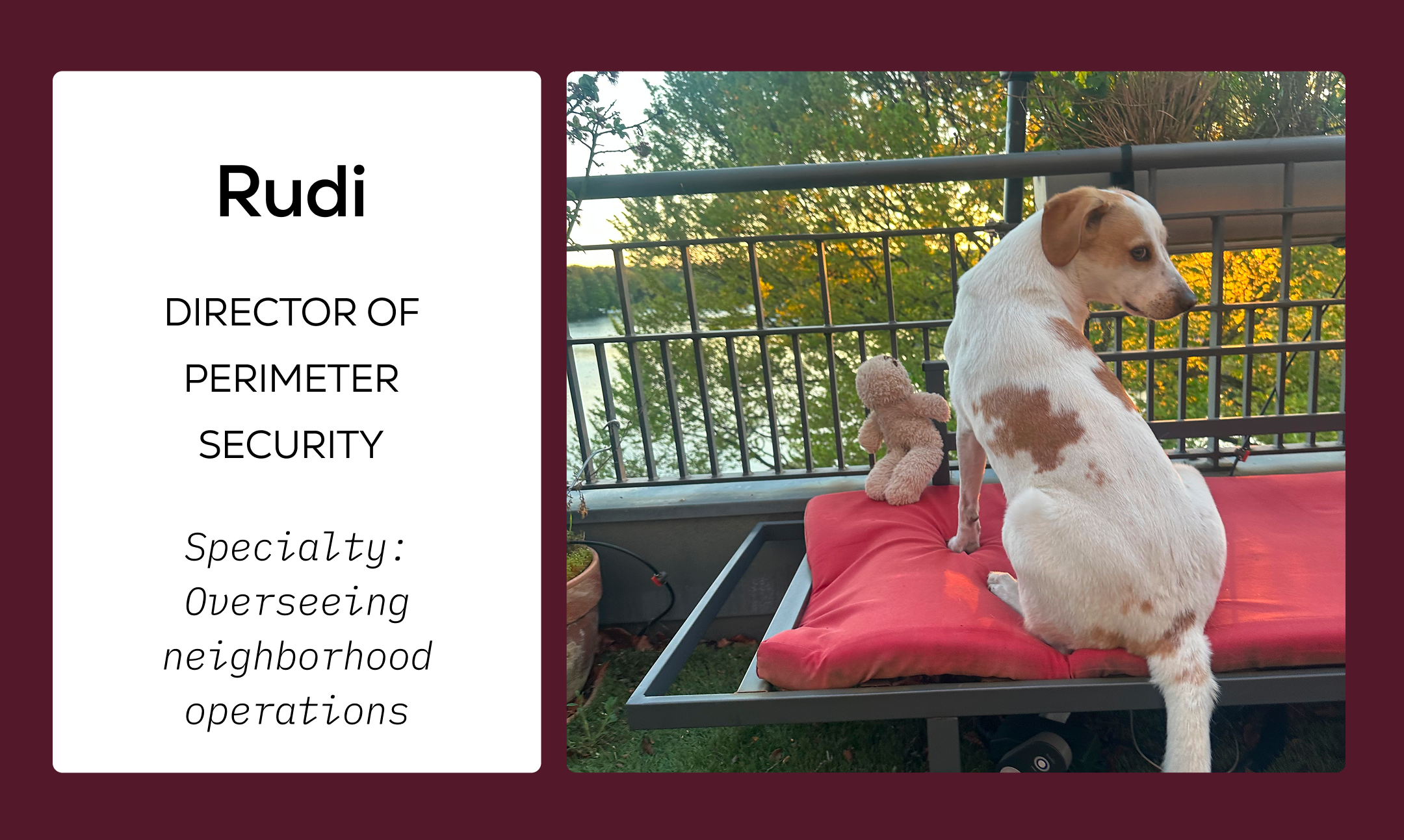
Meet the Pets of Aignostics!

Our furry friends are essential members of the team who bring us joy every day.

Ryan Sargent
December 16, 2025

While our human colleagues focus on transforming the future of precision medicine, there's another team working tirelessly behind the scenes. They are experts in keeping a consistent schedule, reminding us when it's time for a break, and bringing smiles to everyone's faces. From the dog who serves as an in-house Pawthologist to the cat who monitors the development of our Purrduct, our furry friends are essential members of our team who bring us joy every day. Let's meet some of the pets who make our team complete!


Related Articles

Meet Timo Haschler, Senior Scientific Project Manager on our Target and Biomarker Discovery team!

12.3.2025

Timo Haschler and his team work closely with clients to identify novel drug targets and biomarkers. This includes the multi-year collaboration we announced with Bayer in 2024, to identify novel cancer targets and co-create a target identification platform to enable better patient identification, stratification, and selection for clinical trials.

Meet Neelay Shah, Machine Learning Engineer on our Data Processing team!

29.4.2025

Neelay and the Data Processing team develop pipelines to process data at scale for use-cases such as training foundation models. They ensure that data and models can be processed in a distributed fashion, efficiently spreading computational work across multiple machines to allow for scaling when large data sets are involved. They also partner closely with the Data Science team who use the infrastructure developed by the Machine Learning Engineers to perform experiments for client projects.

Enhancing Prognostic Precision in Bladder Cancer: AI-Driven Tumor Microenvironment Analysis from H&E Images

10.6.2025

Presented at ASCO 2025. Our TME-enhanced model outperformed traditional UICC staging, achieving higher predictive accuracy and clearer separation of prognostic risk groups. This demonstrates that integrating TME data from routine H&E slides with UICC staging improves risk stratification, helping pinpoint high-risk bladder cancer patients more precisely than anatomical staging alone.